What to Eat After a HIIT Workout for Faster Recovery
By Simple HIIT Timer Team · November 23, 2026
You have just finished your final interval. You are dripping with sweat, your lungs are burning, and the buzzer on your hiit timer has signaled the end of a grueling session. You put in the hard work, but the process of building fitness is only halfway complete. The way you fuel your body in the hours following your workout determines how well you recover, adapt, and perform in your next session.
The Physiological Impact of High-Intensity Intervals
High-intensity interval training (HIIT) places a unique demand on your body compared to steady-state cardio or traditional weightlifting. When you push your heart rate near its maximum during a work interval, your body relies heavily on its anaerobic energy systems. This means you are rapidly burning through stored carbohydrates, known as glycogen, to produce fast energy.
Simultaneously, the explosive and forceful movements typical of HIIT—like jump squats, burpees, and heavy kettlebell swings—create microscopic tears in your muscle fibers. This muscle protein breakdown is a normal and necessary part of getting stronger, but it requires raw nutritional materials to repair.
By the time you turn off your workout timer, your glycogen stores are depleted, your muscle fibers need repair, and you have likely lost a significant amount of fluid and sodium through sweat. Post-workout nutrition is about addressing these three specific areas: replenishing energy, rebuilding muscle, and rehydrating the body.
Carbohydrates: The Ultimate Recovery Fuel
Many people mistakenly focus solely on protein after a workout, but for HIIT, carbohydrates are arguably just as important. Because interval training is highly glycogen-dependent, failing to eat enough carbohydrates after your session can leave you feeling sluggish, lethargic, and under-recovered for days.
When you consume carbohydrates after exercise, your body breaks them down into glucose, which is then shuttled into your muscles to restock your depleted glycogen stores. This process is highly efficient immediately following a workout because your muscles are exceptionally receptive to nutrient uptake.
Aim for a mix of fast-digesting simple carbohydrates and nutrient-dense complex carbohydrates. Good options include:
- White or brown rice
- Sweet potatoes or regular potatoes
- Oatmeal
- Fresh fruit, particularly bananas, apples, or berries
- Whole grain bread or pasta
A general guideline for intense interval training is to consume 1 to 1.5 grams of carbohydrates per kilogram of body weight within a few hours of finishing your routine.
Protein: Rebuilding Stronger Muscle Tissue
While carbohydrates restock your energy tank, protein provides the building blocks needed to repair the structural damage done to your muscles. When you consume protein, your body breaks it down into amino acids. These amino acids are used to patch up the micro-tears in your muscle fibers, a process known as muscle protein synthesis.
For optimal recovery, research suggests aiming for 20 to 40 grams of high-quality protein in your post-workout meal. Consuming more than 40 grams in a single sitting rarely provides additional muscle-building benefits, so focus on hitting that optimal threshold.
Excellent post-workout protein sources include:
- Whey or plant-based protein powder (ideal for a quick shake)
- Chicken or turkey breast
- Greek yogurt or cottage cheese
- Eggs or egg whites
- Tofu, tempeh, or edamame for plant-based athletes
The Role of Fats: Keep It Moderate
Dietary fats are an essential part of a healthy diet, playing a crucial role in hormone production and joint health. However, in the immediate post-workout window, it is usually best to keep your fat intake moderate or low.
Fat slows down the digestive process. While this is great for keeping you full throughout the workday, it is counterproductive when your muscles are starved for quick carbohydrates and protein. A little bit of fat (like a spoonful of peanut butter in your shake or half an avocado with your rice) is perfectly fine, but avoid heavy, greasy meals immediately after a hard session.
Hydration and Electrolytes
You cannot talk about recovery without addressing hydration. During a 20- or 30-minute HIIT session, you can lose a massive amount of fluid through sweat. Along with that water, you lose crucial electrolytes, particularly sodium and potassium, which help regulate muscle contractions and nerve function.
A simple rule of thumb is to drink 16 to 24 ounces of water for every pound of body weight lost during your workout. If you do not weigh yourself before and after exercising, simply aim to drink two large glasses of water within the first hour of finishing. If your workout was particularly long, hot, or sweaty, consider adding an electrolyte powder or a pinch of sea salt to your water to quickly restore your sodium balance.
Timing: The Anabolic Window Myth vs. Reality
For years, fitness magazines promoted the idea of a strict 30-minute "anabolic window." The belief was that if you didn't consume a protein shake within exactly 30 minutes of finishing your workout, all your hard work would be wasted. Today, we know the reality is much more forgiving.
While your muscles are primed to absorb nutrients right after a workout, that window of opportunity actually stays open for several hours. If you ate a balanced pre-workout meal a few hours before training, those nutrients are still actively digesting and supplying your body with amino acids during and after your session.
That said, if you train in a fasted state—such as first thing in the morning before breakfast—getting protein and carbs into your system quickly becomes much more critical. As a practical rule, aim to eat a balanced meal or drink a recovery shake within one to two hours of finishing your routine.
5 Practical Post-HIIT Meal Ideas
Translating macronutrient targets into real food does not have to be complicated. Here are five simple, effective post-workout meals that provide the perfect ratio of carbohydrates and protein:
- The Classic Recovery Shake: 1 scoop of whey or plant protein powder, 1 medium banana, 1 cup of spinach, and almond milk blended with ice.
- Greek Yogurt Parfait: 1 cup of plain, non-fat Greek yogurt topped with a handful of mixed berries, a drizzle of honey, and a sprinkle of granola.
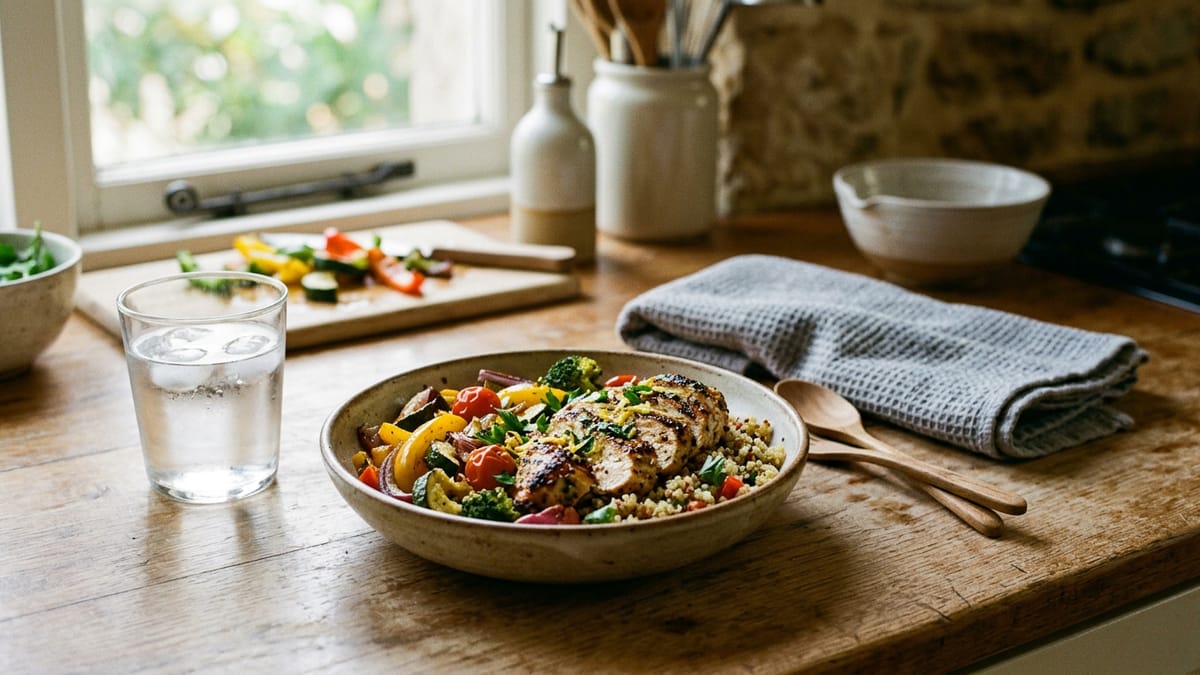
- Chicken and Rice Bowl: 4 to 6 ounces of grilled chicken breast served over 1 cup of white or brown rice, with a side of steamed broccoli.
- Tuna Salad on Whole Wheat: 1 can of chunk light tuna mixed with a little Greek yogurt (instead of mayo) served on two slices of toasted whole wheat bread.
- Tofu and Sweet Potato Hash: 1/2 block of firm tofu scrambled with spinach and bell peppers, served alongside a medium roasted sweet potato.
The "Earn Your Recovery" 20-Minute HIIT Routine
Before you worry about your post-workout meal, you need a workout that demands one. This 20-minute full-body routine uses a classic work-to-rest ratio to challenge your cardiovascular system and muscular endurance, heavily tapping into your glycogen stores.
Set up an interval timer online for 40 seconds of work and 20 seconds of rest. You will complete four rounds of the following five exercises. Rest only during the designated 20-second windows.
- Goblet Squats: Hold a dumbbell or kettlebell at chest height. Keep your chest up and squat down until your thighs are parallel to the floor, then drive back up to standing.
- Push-Ups: Maintain a rigid plank position. Lower your chest to the floor and press back up. Drop to your knees if your form starts to break down to maintain a full range of motion.
- Alternating Reverse Lunges: Step one foot back and lower your hips until both knees form 90-degree angles. Push off the back foot to return to the starting position and alternate legs.
- Plank Shoulder Taps: Hold a high plank position with your hands directly under your shoulders. Keeping your hips as still as possible, lift one hand to tap the opposite shoulder. Alternate sides continuously.
- Burpees: Drop your hands to the floor, jump your feet back into a plank, lower your chest to the floor, jump your feet back to your hands, and leap explosively into the air.
Always remember to warm up with 5 minutes of light jogging or dynamic stretching before starting your timer. Consult with a doctor before beginning any new exercise or nutrition program, especially if you have existing medical conditions.
Once you finish the fourth round, take a few minutes to cool down and let your heart rate settle. Then, head to the kitchen, grab some protein and carbohydrates, and kickstart your recovery.
Frequently asked questions
How soon should I eat after a HIIT workout?
You don't need to rush to eat within 5 minutes, but aiming to consume a balanced meal within one to two hours is ideal. If you exercised in a fasted state, try to eat as soon as reasonably possible.
Are carbohydrates really necessary after interval training?
Yes. High-intensity interval training heavily relies on muscle glycogen for fast energy. Eating carbohydrates post-workout replenishes these stores, ensuring you have energy for your next session.
Can I just drink a protein shake after HIIT?
A protein shake is a great start for muscle repair, but it lacks the carbohydrates needed to replenish glycogen. Try blending a banana or some oats into your shake, or eat a piece of fruit alongside it.
Use this timer
Start the 40s on / 20s off timer — 40s work / 20s rest × 8 rounds. It runs in your browser with sound cues, and there is nothing to install.